

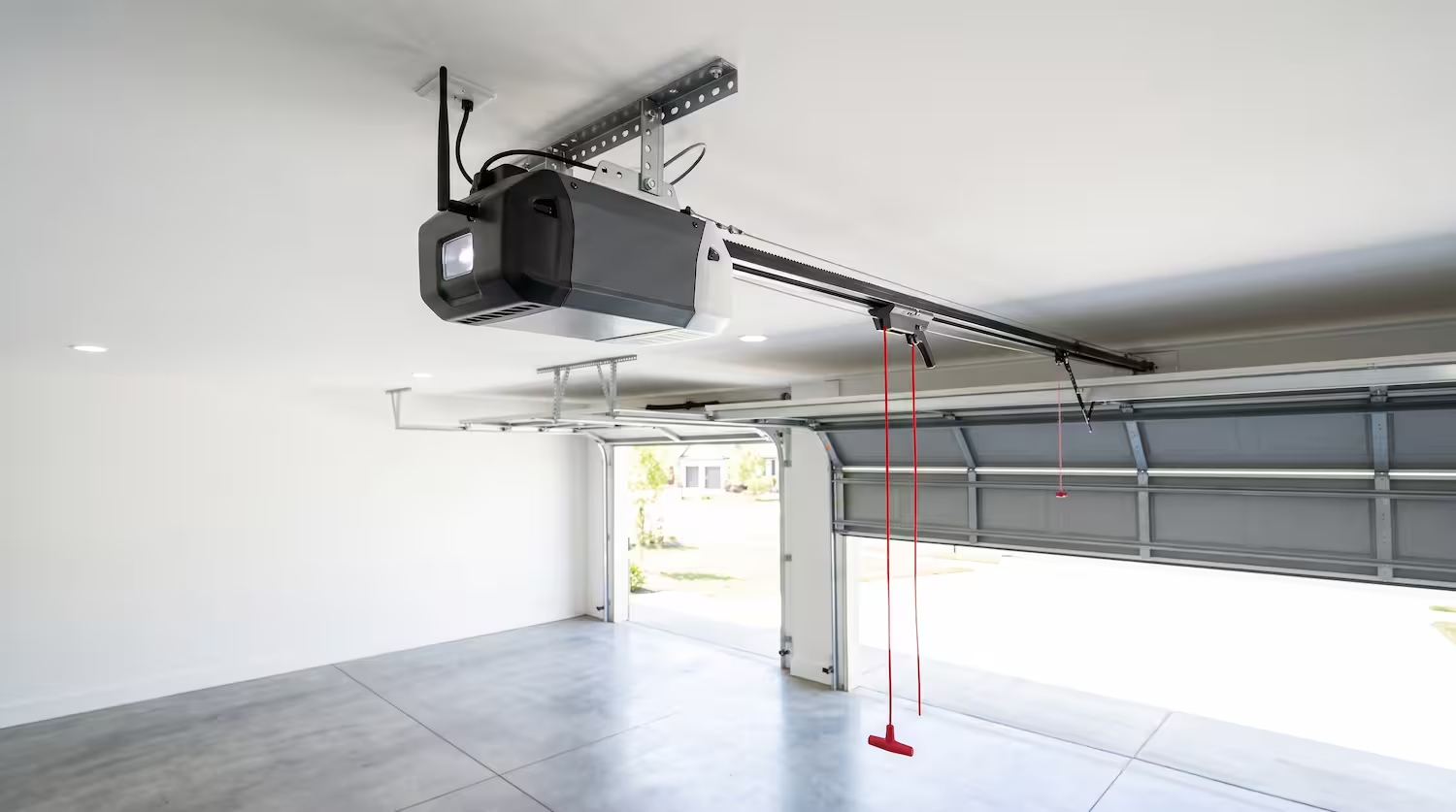
You press your remote control or wall console, expecting your garage door to glide shut, but instead it stops short, reverses mid-travel, or refuses to budge while the overhead opener lights flash repeatedly. In most modern systems, an automatic reversal is not a broken motor—it is an intentional safety override triggered by your photo-eye sensors.
Mandated by federal safety standards under Underwriters Laboratories UL 325 Regulations, garage door safety sensors sit roughly six inches off the ground on either side of the door tracks. One unit projects an invisible infrared beam to a receiving eye across the opening. If that light path is interrupted, broken, or misaligned, your opener assumes an obstruction is in the threshold and halts downward movement.
For homeowners in Clark County, Coast to Coast Garage Door provides fast, diagnostic garage door sensor repair in Camas, WA. With over a decade of field troubleshooting experience, our technicians evaluate whether your issue stems from simple photo-eye misalignment, damaged low-voltage wiring, seasonal moisture condensation, or deeper mechanical drag within your counterbalance assembly.
Camas Sensor Diagnostics & Troubleshooting Matrix
| Sensor Problem | Visible Diagnostic Clue | Root Cause | Recommended Action |
| Misalignment | One sensor light blinking or completely dark | Bracket bumped by trash bin, lawn mower, or bicycle | Realignment & bracket retightening |
| Dirty / Obstructed Lenses | Opener clicks; door reverses after moving a few inches | Spiderwebs, sawdust, lawn clippings, or pollen film | Clean lens gently with a microfiber cloth |
| Damaged Low-Voltage Wiring | Intermittent operation; flickering indicator LEDs | Pinched staples, rodent chewing, frayed wire runs | Low-voltage wiring splice or full replacement |
| Moisture / Condensation | Failure happens on rainy mornings or during cold snaps | High garage humidity, leaking bottom seals, wet slab | Seal replacement & waterproof terminal caps |
| Direct Sunlight Interference | Door fails only during specific sunny afternoon hours | Infrared washout (“sun blindness”) on receiver eye | Swap sender/receiver sides or install sunshades |
| Physical Bracket Damage | Crooked sensor assembly; bent steel track bracket | Direct impact from vehicle bumper or heavy equipment | Replace mounting bracket and recalibrate eye |
| Internal Electronic Failure | Solid power to wire harness, but zero sensor LED activity | Blown diode, internal circuit short, surge damage | Complete photo-eye sensor pair replacement |
7 Common Sensor Problems Stopping Your Door From Closing
1. The Photo-Eyes Are Knocked Out of Alignment
Because safety sensors are mounted low to the garage slab, they are easily bumped by household items like trash cans, garden tools, bicycles, and storage totes. Even a slight five-degree deflection can point the sending beam away from the receiving lens. Most sensors feature small LED status lights: a solid green or amber light indicates proper alignment, while a flickering or extinguished light signals an interrupted line of sight.
2. Dirty, Dusty, or Cobweb-Covered Lenses
In the Pacific Northwest, garages collect garden debris, sawdust, fir needles, and spring tree pollen. Spiders frequently build webs directly across the recessed sensor cavities. If a thin layer of grime or a stray insect blocks even 20% of the infrared beam, the opener registers an obstruction. Gently wiping the optical glass with a clean, dry microfiber cloth often resolves the issue immediately.
3. Frayed, Pinched, or Corroded Sensor Wiring
The thin, two-strand low-voltage bell wire that connects your sensors to the motor head runs along the steel vertical tracks and ceiling joists. Over years of door vibration, this wiring can become pinched beneath metal brackets, severed by aggressive wire staples, or chewed by mice seeking shelter in unheated garages. If a wire has an intermittent short, our technicians test continuity and install fresh, insulated wiring runs.
4. Ambient Moisture, Condensation & Drafts
Garages across Camas, Washougal, and rural Clark County experience long periods of high humidity and winter condensation. Moisture dripping from rain-soaked vehicles or seeping past deteriorated bottom weatherstripping can cause water droplets to fog the sensor lenses or corrode wire crimp terminals. Routine garage door maintenance and replacing worn bottom rubber astragals keep moisture away from delicate electrical connections.
5. Sunlight Glare (“Sun Blindness”)
If your garage door closes without issue at night and early in the morning, but steadfastly refuses to close on sunny afternoons, the issue is likely solar interference. Strong, direct sunlight shining into the receiving photo-eye can overwhelm its optical sensor, blinding it to the sender’s infrared pulse. Technicians resolve this by swapping the physical positions of the sending and receiving units or installing anti-glare sun hoods around the receiver lens.
6. Bent or Loose Sensor Mounting Brackets
The stamped-steel brackets that secure the photo-eyes clip directly onto the door track or lag into the wood door jamb. If an impact bends the steel bracket, tightening the wing nut will not hold the sensor in true alignment. The bracket must be straightened with pliers or replaced entirely to ensure the sensor does not drift out of alignment every time the door shakes during operation.
7. Internal Electronic Component Failure
Like any electrical accessory, photo-eyes eventually succumb to power surges, age, and thermal breakdown. If your opener has power, the wiring has unbroken continuity, but the photo-eye fails to illuminate or send a signal to the logic board, the sensor assembly has failed internally. When this occurs, our team installs a brand-new, factory-matched sensor set from leading brands like LiftMaster.
When the Problem Isn’t Your Safety Sensors
If both sensor lights glow solid, the lenses are spotless, and your door still reverses, the underlying malfunction is likely mechanical. A garage door opener monitors the motor’s rotational resistance (force limits); if the door binds or catches along the track, the motor will reverse to prevent crushing damage.
Other mechanical failure points include:
- Snapping or Weakening Counterbalance Springs: When a torsion spring loses tension, the door becomes excessively heavy, overloading the motor during downward and upward cycles.
- Frayed Lifting Cables or Worn Rollers: Seized roller bearings create friction in the track radius, triggering the opener’s auto-reverse mechanism.
- Bent or Pinched Vertical Tracks: Misaligned track segments squeeze the door panels as they travel downward.
- Stripped Drive Gears or Failing Travel Modules: Internal nylon gears in older garage door openers can strip, preventing the trolley from locking into the closed position.
If you suspect mechanical drag or damaged springs, avoid attempting DIY adjustments. High-tension springs carry extreme rotational force. Contact our technicians for targeted garage door repair or a comprehensive garage door tune-up to rebalance your system safely.
Built for Camas Homes & Local Topography
Camas properties present distinct operating conditions depending on where your home is located:
- Prune Hill & Elevated Ridges: Hillside homes face strong west-facing solar exposure that frequently triggers afternoon sunlight blinding on garage sensors, as well as seasonal wind gusts off the gorge that rattle tracks out of plumb.
- Lacamas Lake & Crown Park Wooded Lots: Properties surrounded by mature Douglas firs and bigleaf maples encounter heavier spider activity, falling needles, and dense morning fog that fogs optical sensor lenses.
- Downtown Historic Homes: Vintage residential detached garages often feature older wood jambs, damp concrete thresholds, and legacy wiring that require modern safety retrofits to comply with municipal guidelines overseen by the City of Camas.
If your existing door panels are severely cracked, rotting, or outdated, our team can also assess whether full garage door replacement or fresh garage door installation provides better long-term security.
Frequently Asked Questions
Can I bypass my safety sensors if my garage door won’t close?
You cannot permanently bypass photo-eye sensors—doing so violates federal safety laws and creates severe entrapment risks for children and pets. However, in an emergency, you can override the sensors temporarily by pressing and holding the interior wall-mounted button continuously until the door reaches the floor.
Should both sensor lights be illuminated?
Yes. On almost all modern residential openers, both sensors feature indicator lights. The sending sensor glows steadily to indicate it is receiving power, and the receiving sensor lights up steadily when it detects the unbroken infrared beam. If either light is flickering or off, the system has detected a fault.
How much does professional garage door sensor repair cost?
Basic sensor cleaning, realignment, and bracket tightening are typically covered under a standard diagnostic service call. If sensor wiring must be re-run or the photo-eye pair requires replacement, costs generally range from $120 to $220, including parts and labor.
Why does my garage door open fine, but only struggles to close?
The safety sensors are only active during the closing cycle. Because opening the door moves panels away from obstacles on the floor, the photo-eyes do not monitor upward travel. If a door opens smoothly but halts immediately upon closing, the safety sensor system is the primary suspect.
Restore Dependable Access to Your Camas Home
Don’t leave your home unlocked or struggle with an unpredictable garage door. Contact Coast to Coast Garage Door today for same-day troubleshooting, precision alignment, and professional garage door sensor repair in Camas, WA.